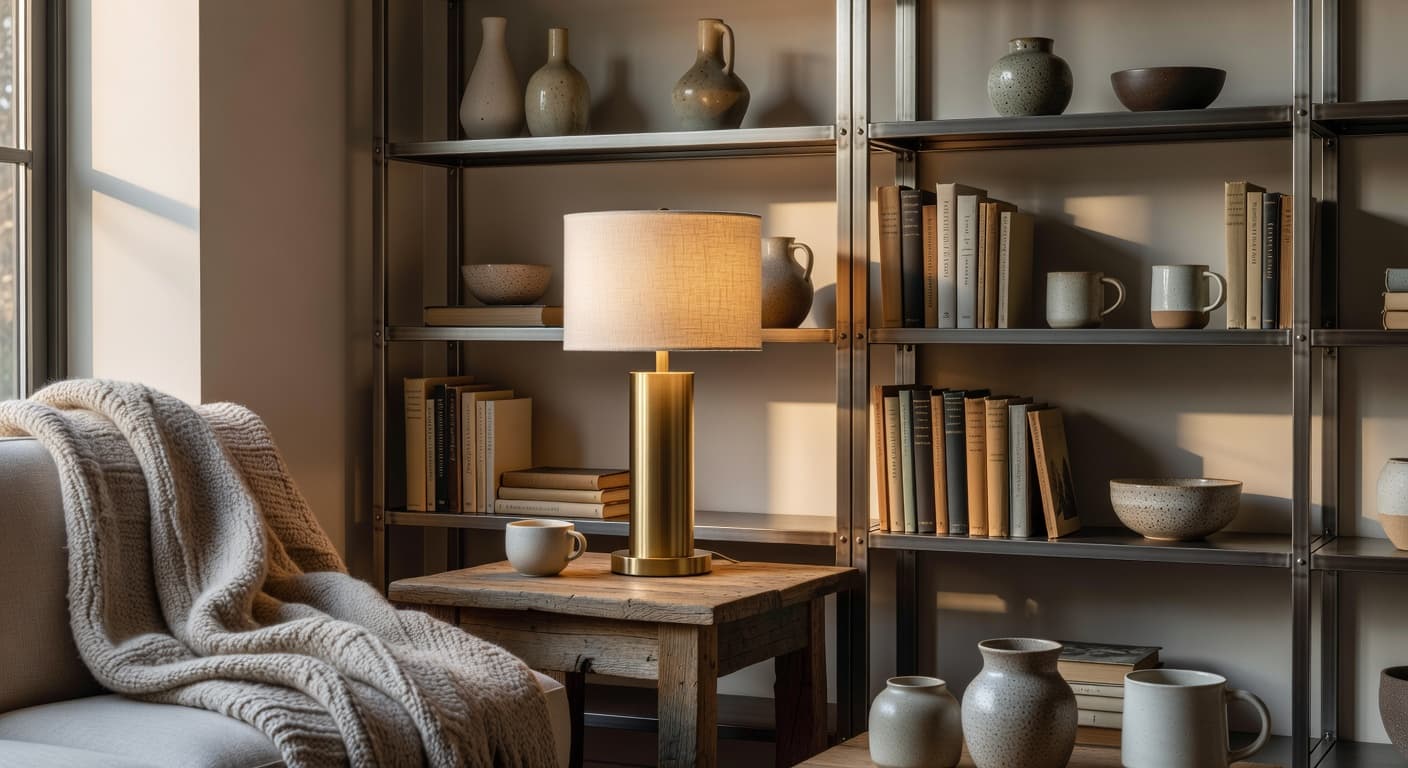
Master the art of combining warm brass and cool steel finishes for curated interiors that feel effortlessly collected over time.
There's something undeniably sophisticated about a space that feels curated over time—where each piece tells a story and different eras blend seamlessly together. One of the most effective ways to achieve this collected look is through the artful mixing of metal finishes, particularly the timeless combination of warm brass and cool industrial steel.
The key to successfully mixing metals lies not in matching everything perfectly, but in creating intentional balance. When done thoughtfully, combining different metal finishes adds depth, visual interest, and that coveted "collected over time" aesthetic that makes a space feel authentically yours.
Understanding the Temperature Balance
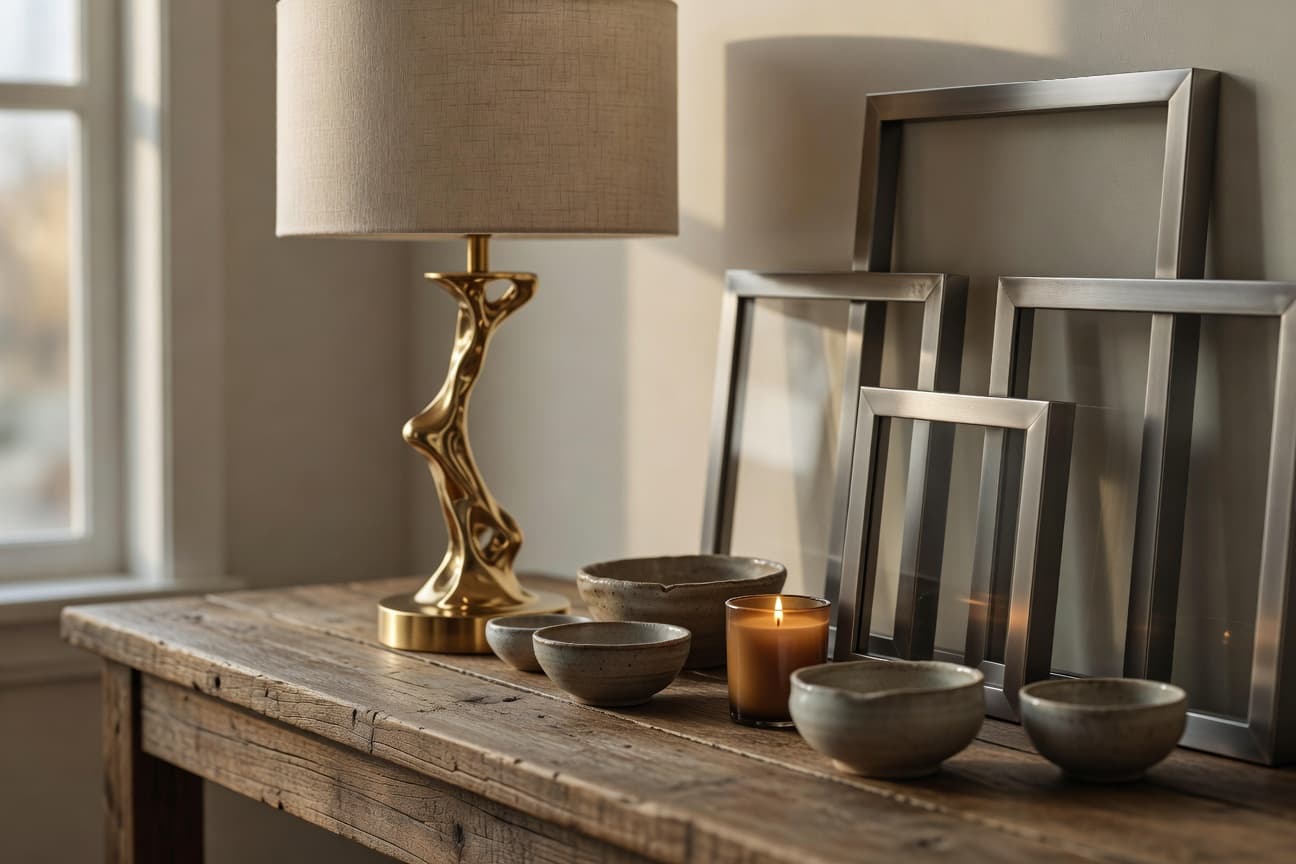
Before diving into specific styling techniques, it's essential to understand the inherent characteristics of different metals. Brass, with its golden undertones, brings warmth and vintage charm to any space. It pairs beautifully with rich textures like reclaimed wood and natural fibres. Steel, on the other hand, offers crisp, industrial edge with its cool grey tones—perfect for adding modern structure and contrast.
The magic happens when you balance these temperatures thoughtfully throughout your space. A good rule of thumb is the 70-30 principle: choose one metal as your dominant finish (roughly 70% of your metal elements) and use the other as an accent (30%). This creates cohesion while allowing for interesting contrast.
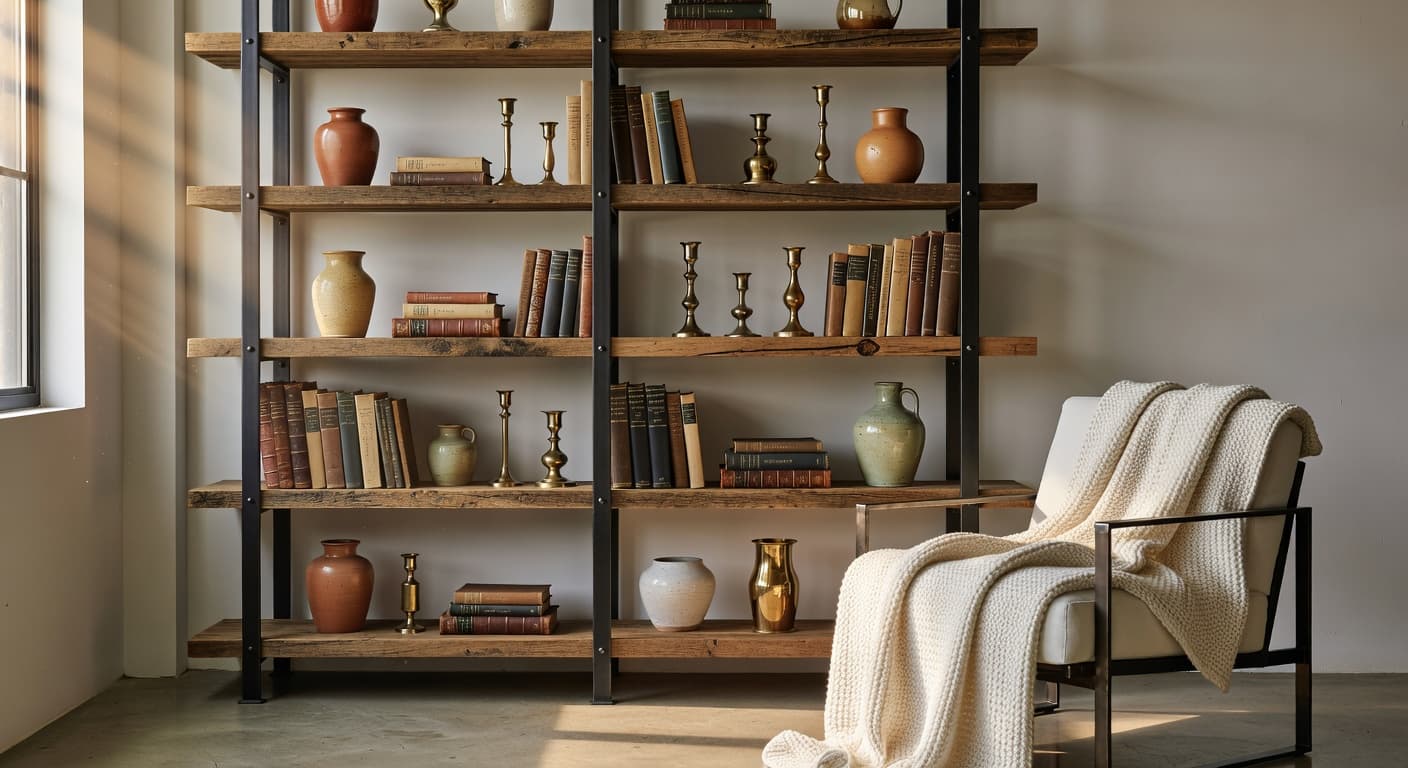
Consider how natural materials can bridge the gap between warm and cool metals. Reclaimed wood, like that found on our Industrial Bookshelf, provides the perfect neutral backdrop that allows both brass and steel elements to shine without competing.
Strategic Placement and Proportion
The secret to mixing metals successfully lies in strategic placement and varying proportions. Start with your largest pieces—perhaps an industrial steel bookshelf or reclaimed wood table with metal hardware—then layer in smaller brass accents throughout the room.
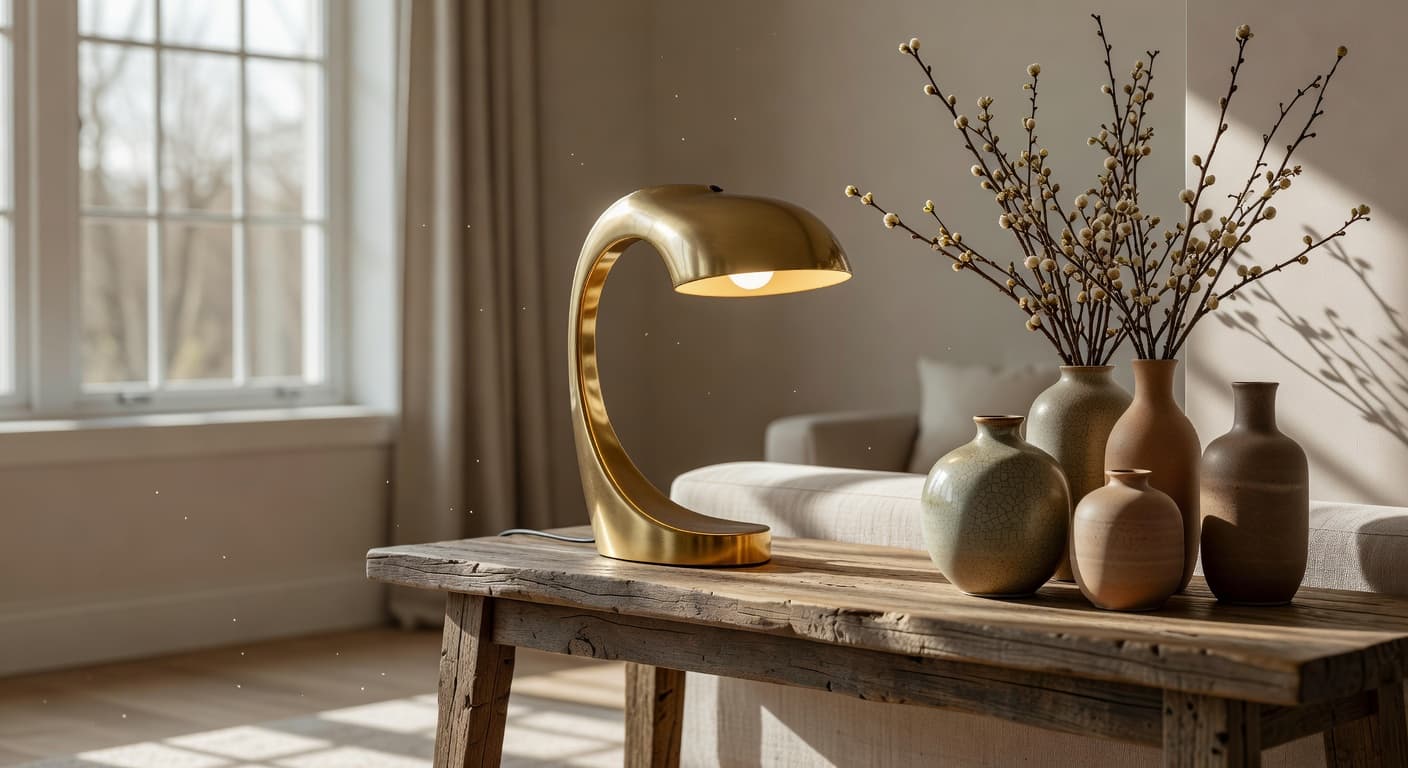
Lighting plays a crucial role in this balance. A Sculptural Brass Table Lamp can serve as a warm counterpoint to steel furniture, creating intimate pools of light that soften the industrial edge. The key is ensuring these elements feel intentionally distributed rather than randomly placed.
Consider the sight lines in your room. From any seating position, you should be able to see both warm and cool metal finishes, creating visual rhythm that draws the eye around the space. This might mean placing a brass accent piece on a steel bookshelf, or positioning a steel-framed mirror across from a brass lamp.
Scale also matters tremendously. If you have a large industrial piece like a steel dining table, balance it with substantial brass elements—perhaps oversized pendant lights or a collection of brass candlesticks—rather than tiny accents that might get lost in the composition.
Creating Cohesion Through Complementary Elements
While metals provide the structural foundation of your mixed-finish scheme, it's the supporting elements that truly tie everything together. Natural textures and earthy tones serve as the perfect mediators between warm brass and cool steel.
Incorporate organic materials that complement both metal temperatures. A Chunky Knit Cotton Blanket draped over an industrial chair softens hard edges while adding textural interest. Similarly, handmade ceramics—like our Ceramic Vase Collection in sage, terracotta, and cream—provide earthy anchor points that feel natural alongside both warm and cool metals.
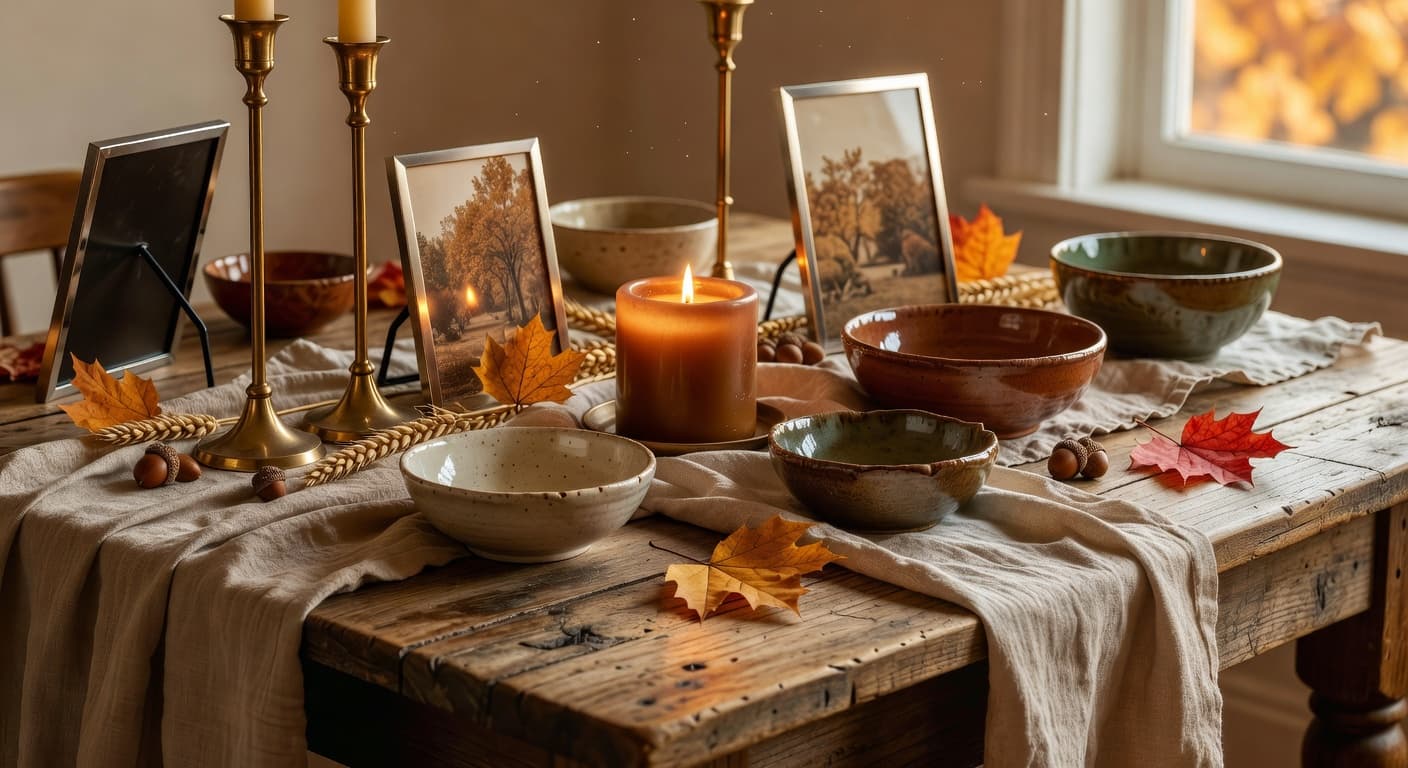
Textiles play a particularly important role in creating cohesion. Natural fibres like linen, cotton, and wool feel authentic next to both brass and steel, while their neutral tones prevent any single metal from overwhelming the space. A Stonewashed Linen Table Runner can beautifully unite a brass lamp with steel picture frames on a console table.
Don't overlook the power of patina and finish variation within the same metal family. Mixing polished brass with aged brass, or brushed steel with raw steel, adds layers of visual complexity that make your space feel genuinely collected over time.
Seasonal Styling and Layering
As we move into autumn, the interplay between warm brass and cool steel becomes particularly compelling. The season's rich, earthy palette provides the perfect backdrop for mixed metal styling, allowing both finishes to feel grounded and intentional.
Layer in seasonal elements that complement your metal mixing strategy. Warm candlelight from an Amber & Vanilla Pillar Candle enhances brass tones while casting soft shadows that make steel elements feel less stark. The key is building layers gradually—start with your foundational furniture pieces, then add lighting, accessories, and finally seasonal touches.
Consider how different times of day affect your metal finishes. Brass warms beautifully in golden hour light, while steel can appear softer in the gentle light of dawn. Plan your lighting layers accordingly, using table lamps and candles to enhance these natural rhythms.
Autumn's cozy textures—think chunky knits, worn leather, and weathered wood—provide the perfect complement to mixed metal schemes. These materials add warmth and softness that prevent the combination from feeling too industrial or stark.
Common Mistakes and How to Avoid Them
Even with the best intentions, there are several pitfalls to avoid when mixing metal finishes. The most common mistake is using too many different metals without a clear strategy. Stick to your primary warm and cool combination, avoiding the temptation to add copper, nickel, or other finishes that might muddy the overall effect.
Another frequent error is clustering all brass elements in one area and all steel in another. This creates a disjointed feeling rather than the seamless integration you're aiming for. Instead, ensure each metal appears at least three times throughout your space, distributed thoughtfully to create visual balance.
Be mindful of undertones, particularly with brass. Some brass finishes lean more yellow, others more orange or even pink. These subtle differences can clash if not carefully considered. When possible, see pieces together in person or in consistent lighting before committing to a combination.
Finally, don't forget about existing architectural elements. Consider the metal finishes already present in your space—door handles, window frames, radiators—and ensure your decorative metals work harmoniously with these fixed elements.
Building Your Collection Over Time
The beauty of mixed metal styling lies in its organic evolution. Unlike matchy-matchy decorating schemes that require everything to be purchased at once, this approach celebrates the gradual accumulation of meaningful pieces.
Start with one statement piece—perhaps a Reclaimed Oak Coffee Table with hairpin legs or an industrial bookshelf—and build around it slowly. This allows you to live with pieces, understand how they work in your space, and make thoughtful additions that enhance rather than overwhelm.
Keep an eye out for pieces that bridge different styles and eras. Vintage finds often feature unique metal combinations or patinas that you simply can't replicate with new pieces. A vintage rattan chair with brass details, for example, can serve as the perfect mediator between industrial steel furniture and warm brass lighting.
Remember that the most compelling interiors tell a story. Each piece should feel intentional, whether it's a treasured family heirloom, a vintage market find, or a carefully chosen new addition that fills a specific functional or aesthetic need.
Ready to start mixing metals in your own space? Explore our curated collection of unique furniture and lighting pieces, each one carefully selected for its ability to work beautifully with others while standing confidently on its own.
Continue Reading
Discover the Collection
Shop Now