The Art of Fire: Why Reactive-Glazed Ceramics Are Worth Collecting
Discover the mesmerizing process behind reactive-glazed ceramics and why these unpredictable, one-of-a-kind pieces create truly special collections.
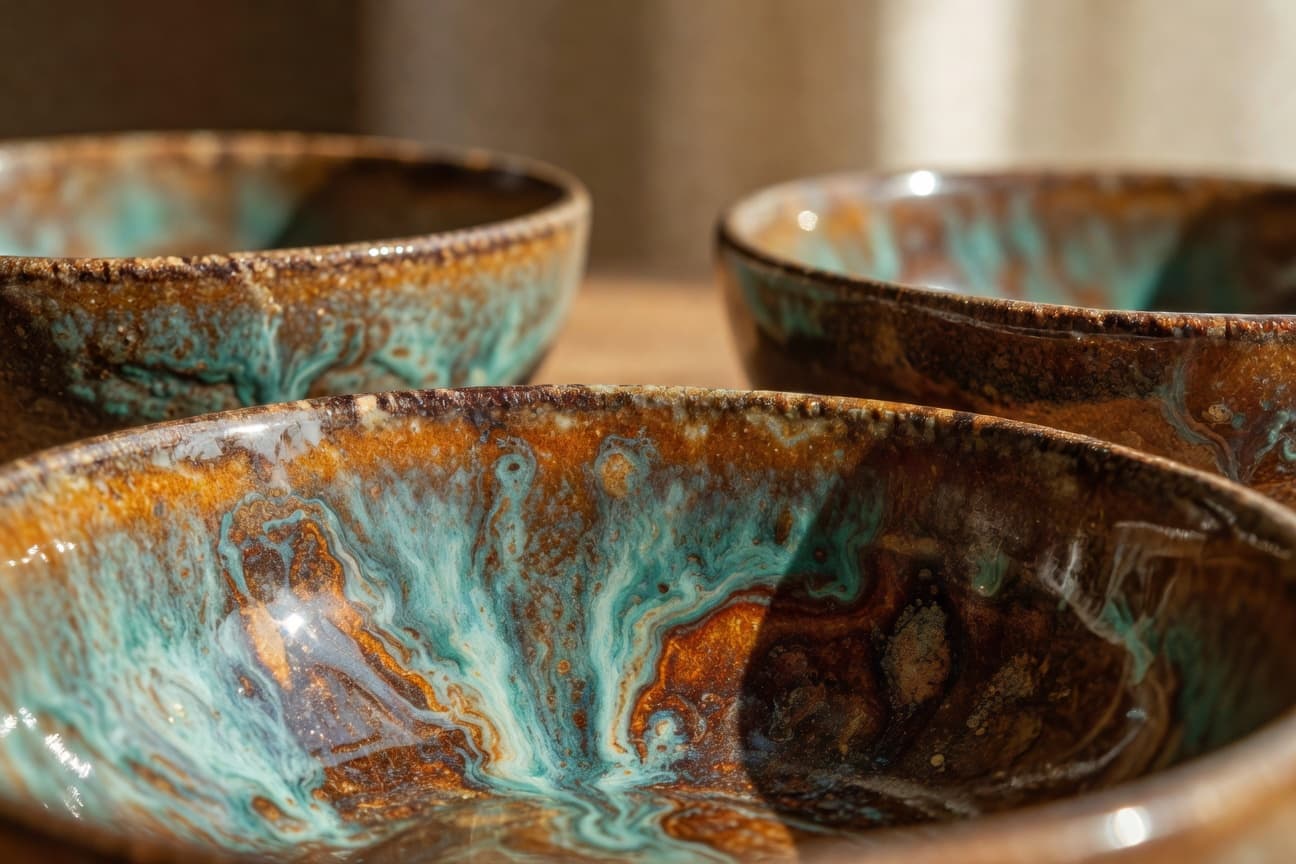
There's something magical about holding a piece of pottery that could never be recreated exactly the same way twice. In our world of mass production and perfect uniformity, reactive-glazed ceramics stand as beautiful rebels—each one a testament to the unpredictable dance between earth, fire, and human artistry.
For those who appreciate the beauty of imperfection and the story behind handmade objects, reactive-glazed pottery offers something that factory-made pieces simply cannot: genuine uniqueness born from ancient techniques and the controlled chaos of the kiln.
What Makes Reactive Glazes So Special
Reactive glazes are exactly what they sound like—ceramic coatings that literally react during the firing process. Unlike predictable solid-colour glazes, these formulations contain special ingredients like copper, iron, chrome, or titanium that respond dramatically to heat, flame, and atmospheric conditions inside the kiln.
The magic happens between 1000°C and 1300°C, when these metallic elements begin to bloom, flow, and interact with each other in ways that even experienced potters cannot fully control. Copper might flash brilliant turquoise in one area while turning deep crimson just centimeters away. Iron can create anything from golden amber to rich chocolate brown, all on the same piece.
This unpredictability is precisely what makes each bowl, vase, or mug genuinely one-of-a-kind. Even pieces shaped from the same clay and glazed with identical formulations will emerge from the kiln as completely unique individuals, each bearing the distinctive fingerprint of fire.
The Alchemy of Fire: Understanding the Process
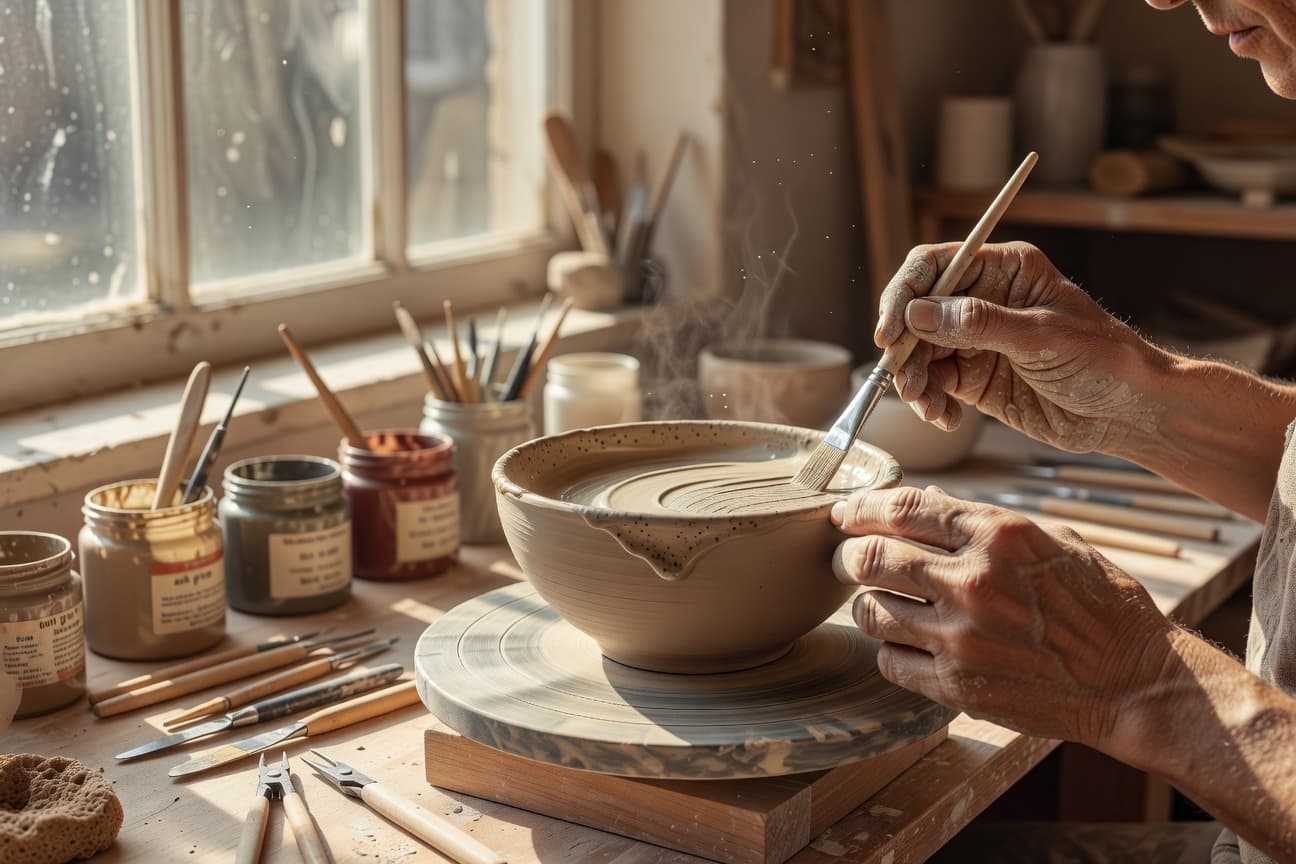
The journey begins with the potter's wheel, where skilled hands shape raw stoneware clay into functional forms. But the real artistry happens in the glazing studio, where ceramic artists mix their reactive formulations—recipes that often take years to perfect and are closely guarded secrets passed down through generations.
The application process itself requires both precision and intuition. Too thin, and the glaze won't develop its characteristic reactions. Too thick, and it might run off the piece entirely during firing. Master potters develop an almost mystical understanding of how their glazes will behave, yet they're always prepared for surprises.
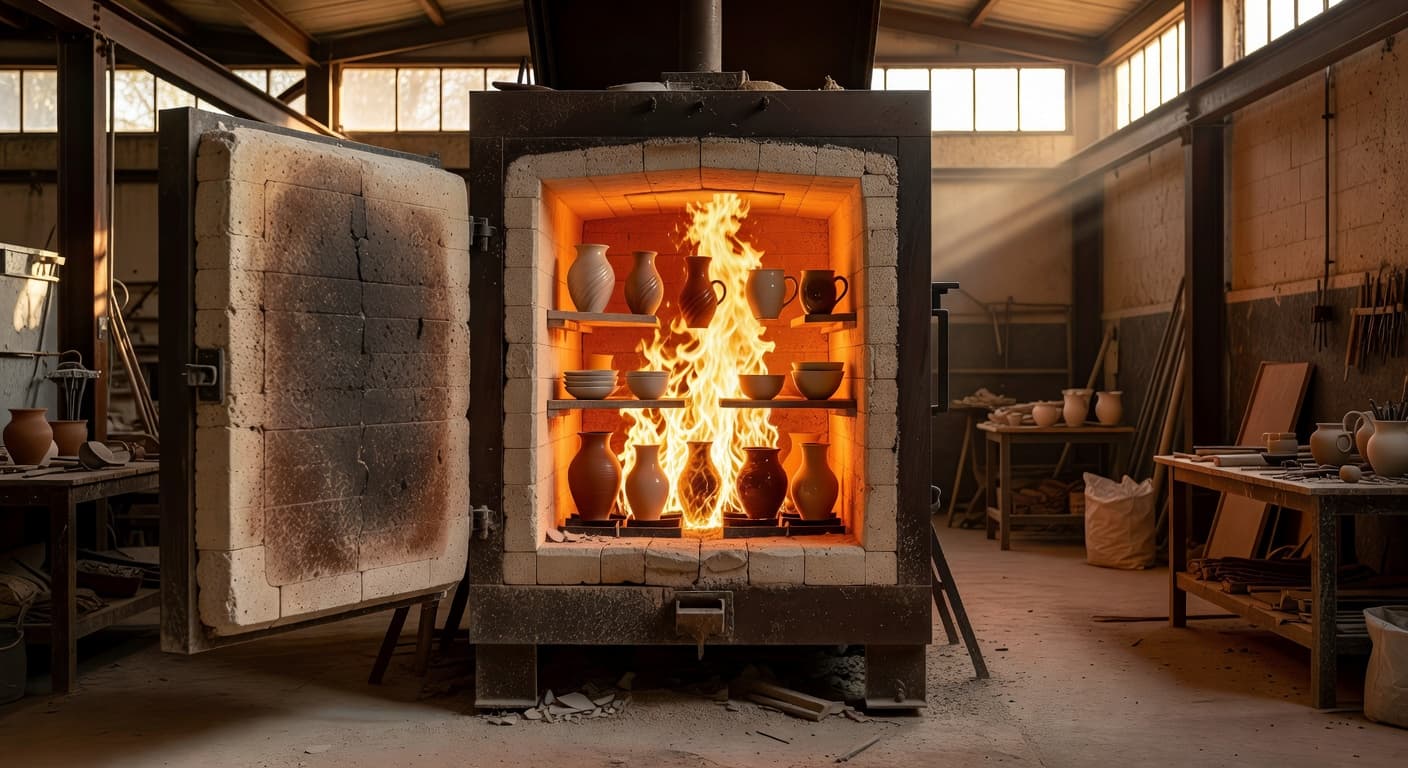
Inside the kiln, the real magic unfolds. As temperatures climb, the glaze ingredients begin their transformative dance. Reduction and oxidation create different atmospheric conditions that influence colour development. Flame patterns create natural variations across the surface. Even the position of pieces within the kiln affects the final result—those near the flame path often display the most dramatic reactive effects.
Why Handmade Stoneware Deserves Investment
In an era of disposable goods, investing in quality handmade stoneware represents both aesthetic and philosophical choices. These pieces aren't just functional objects—they're daily reminders of human creativity and the beauty found in imperfection.
Stoneware clay, fired at high temperatures, creates incredibly durable pieces that can last generations. The reactive glazes not only provide visual interest but also practical benefits—they're typically food-safe, dishwasher-friendly, and resistant to chipping and staining when properly crafted.
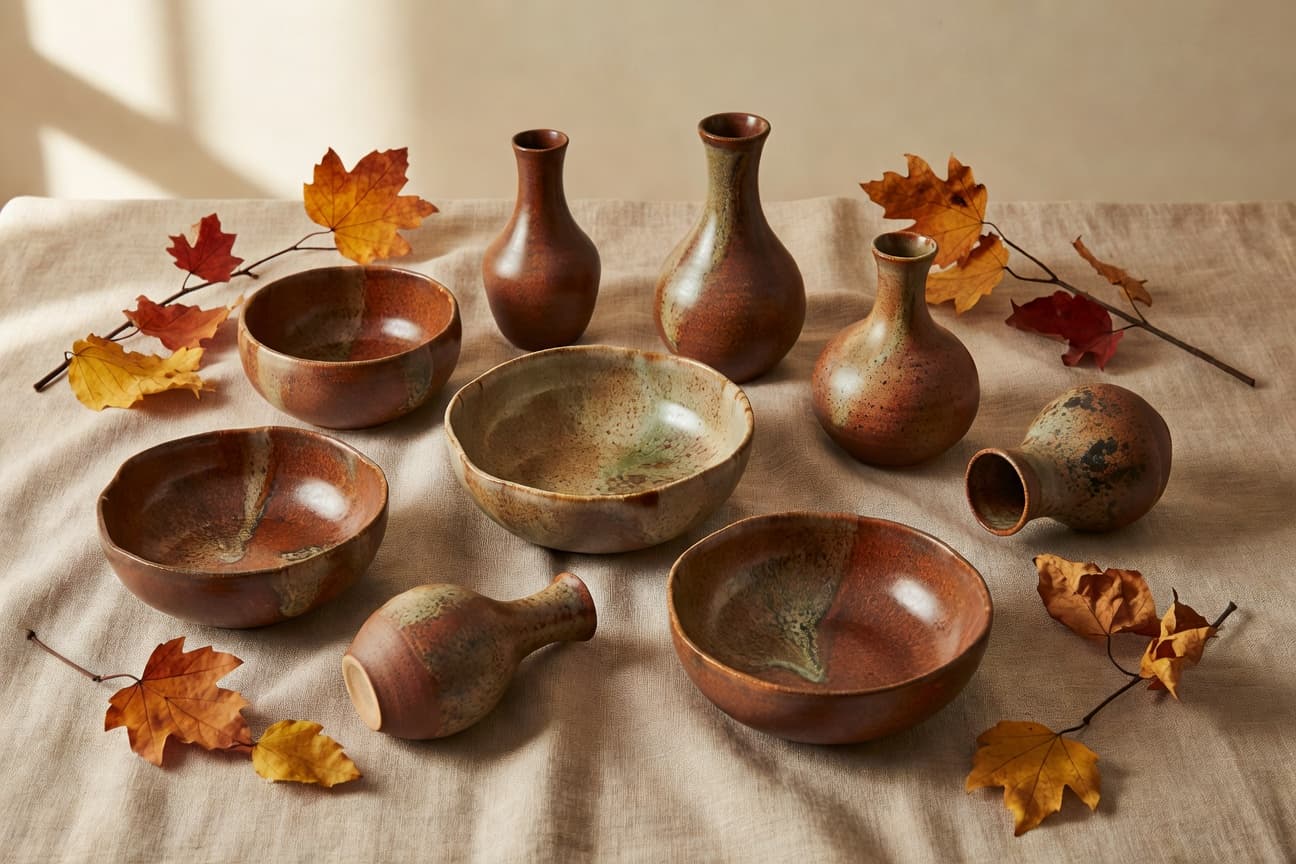
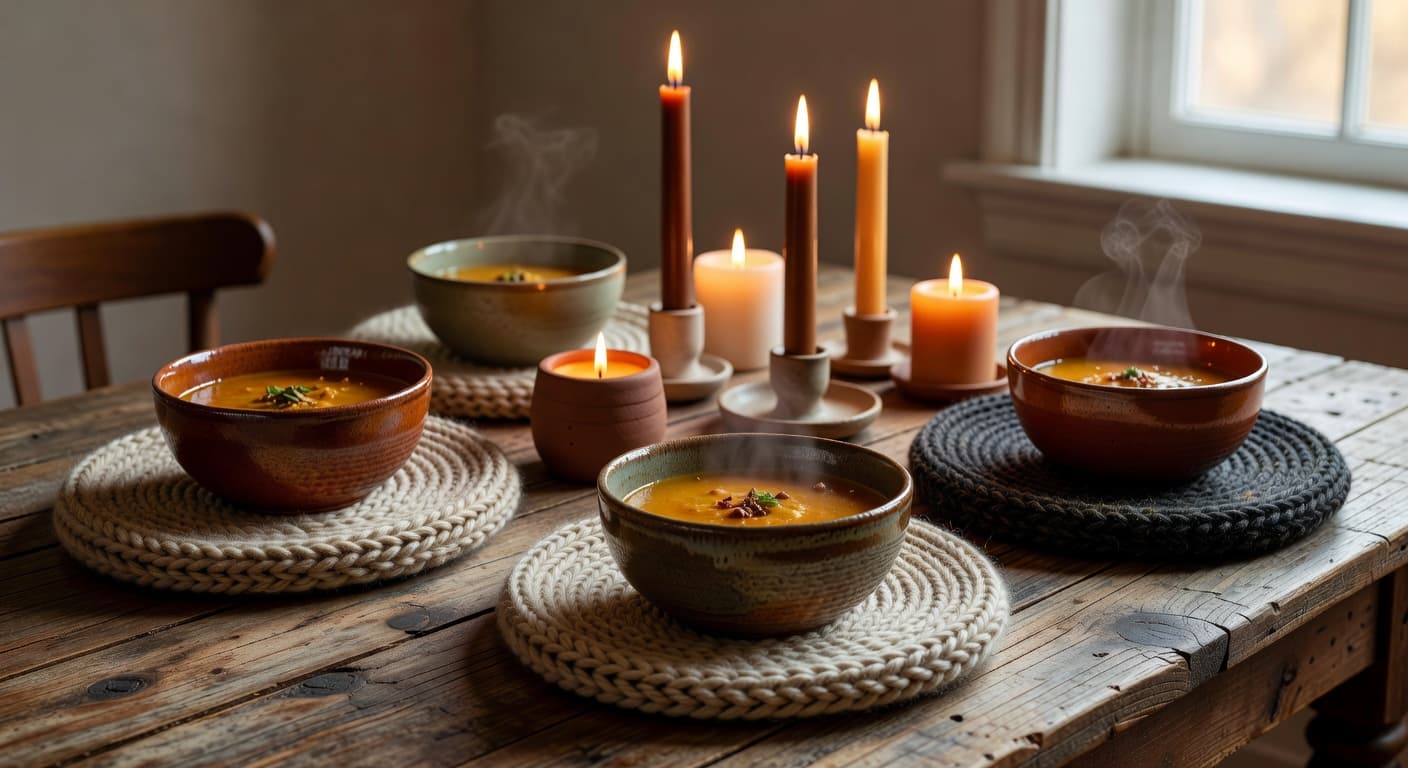
Consider a handmade stoneware bowl set with reactive glazing. Each piece becomes a conversation starter, a small work of art that elevates daily meals from routine to ritual. The subtle variations in colour and pattern mean your table setting will never look monotonous, even when using matching pieces from the same set.
From an investment perspective, quality handmade ceramics often appreciate in value, especially pieces from recognized artisans. But more importantly, they provide decades of daily beauty and functionality—a cost-per-use calculation that makes them remarkably economical compared to cheaper alternatives that need frequent replacement.
Recognizing Quality in Reactive-Glazed Pottery
Not all reactive-glazed ceramics are created equal. Understanding what to look for helps ensure you're investing in pieces that will bring joy for years to come.
First, examine the clay body. Quality stoneware should feel substantial without being unnecessarily heavy. The clay should be free from cracks or visible air bubbles, and the piece should have a balanced feel when held.
Look for even wall thickness—a sign of skilled craftsmanship. While reactive glazes create beautiful variations, the underlying pottery should demonstrate technical competence. Rims should be smooth, bases should sit flat, and handles (if present) should feel secure and comfortable.
The glaze itself should show the characteristic flowing, organic patterns that make reactive glazes so appealing. Colours should blend naturally into each other rather than appearing painted on. Quality reactive glazing often shows depth—colours that seem to glow from within the ceramic surface.
Styling Your Collection: Creating Cohesive Beauty
Collecting reactive-glazed ceramics doesn't mean abandoning cohesive design. These organic, earthy pieces actually work beautifully together, even when they come from different makers or firing sessions.
Earth-toned reactive glazes pair naturally with other handmade elements. A collection of ceramic vases in sage, terracotta, and cream tones creates a cohesive vignette while showcasing the unique character of each piece. Layer them with natural textures like a stonewashed linen table runner or complement their organic forms with the warm glow of an amber and vanilla candle.
For fall entertaining, reactive-glazed pieces provide the perfect foundation for seasonal tablescapes. Their organic variations echo the natural imperfections found in autumn leaves and harvest displays. Pair them with chunky knit textiles and warm lighting to create an atmosphere that celebrates the handmade aesthetic.
Don't be afraid to mix glazes and makers within your collection. The common thread of reactive techniques often creates natural harmony between pieces, even when their specific colour palettes differ.
Caring for Your Reactive-Glazed Collection
Proper care ensures your reactive-glazed ceramics will maintain their beauty for generations. Fortunately, quality stoneware is remarkably forgiving and practical for everyday use.
Most reactive glazes are food-safe and dishwasher-friendly, though hand washing helps preserve the surface lustre over time. Use gentle, non-abrasive cleaners and avoid steel wool or harsh scrubbing pads that might scratch the glaze surface.
Store pieces with care—cushion them with soft cloth if stacking, and avoid extreme temperature changes that might cause thermal shock. Display pieces away from direct sunlight if you want to preserve the exact colour intensity, though most quality reactive glazes are quite stable.
Remember that minor variations and small imperfections are part of the charm. Small variations in glaze thickness or tiny pin holes where air bubbles escaped during firing aren't flaws—they're signatures of the handmade process.
At SCOUT, we celebrate the beautiful imperfection of handmade objects. Our curated collection of reactive-glazed ceramics represents the finest examples of this ancient art form, each piece chosen for its unique character and exceptional quality. Explore our handmade ceramics collection and discover pieces that will bring daily beauty to your home for years to come.
Discover the Collection
Shop Now